
Description
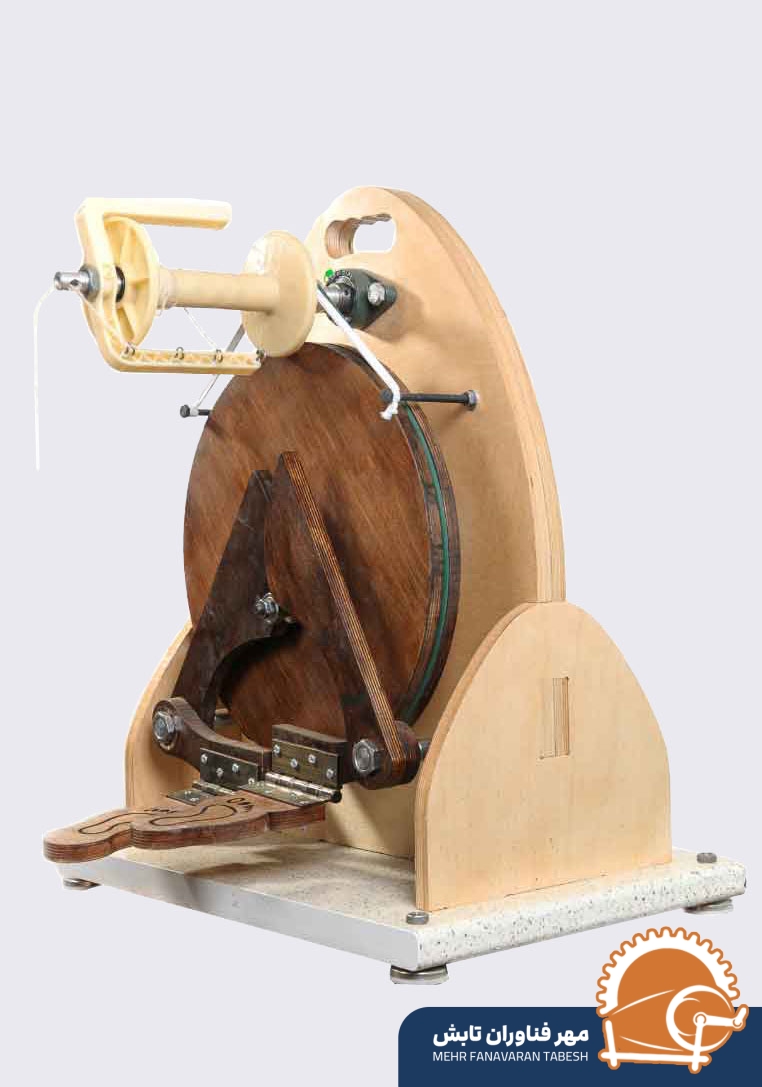
pinning Wheel
Spinning is the process by which natural or synthetic fibers are transformed into yarn. Yarn is one of the most essential raw materials used across various industries, including textiles, clothing, and even the medical sector. Yarns are made from short or long fibers that are twisted together using specialized machines to provide the strength and durability required for different applications.
Types of Yarn
Yarns can be produced from various materials:
-
Natural Yarn: Made from natural fibers such as cotton, wool, silk, and hemp. These fibers are derived from plants or animals and are typically used to produce soft, comfortable garments or luxury fabrics.
-
Synthetic Yarn: Made from synthetic fibers such as nylon, polyester, and acrylic. Synthetic yarns are generally more durable and cost-effective than natural yarns and are widely used in many industries.
Spinning Process
Spinning refers to the series of operations that convert fibers into yarn. The main steps in this process typically include:
-
Opening and Fiber Separation: Fibers are loosened and separated to prepare them for spinning.
-
Carding: Fibers are aligned and processed using specialized carding machines to create a uniform web.
-
Spinning: The fibers are spun into yarn using spinning wheels or machines. This step involves twisting the fibers together to create continuous threads.
-
Twisting: The fibers are further twisted to produce yarns with the required strength and flexibility.
-
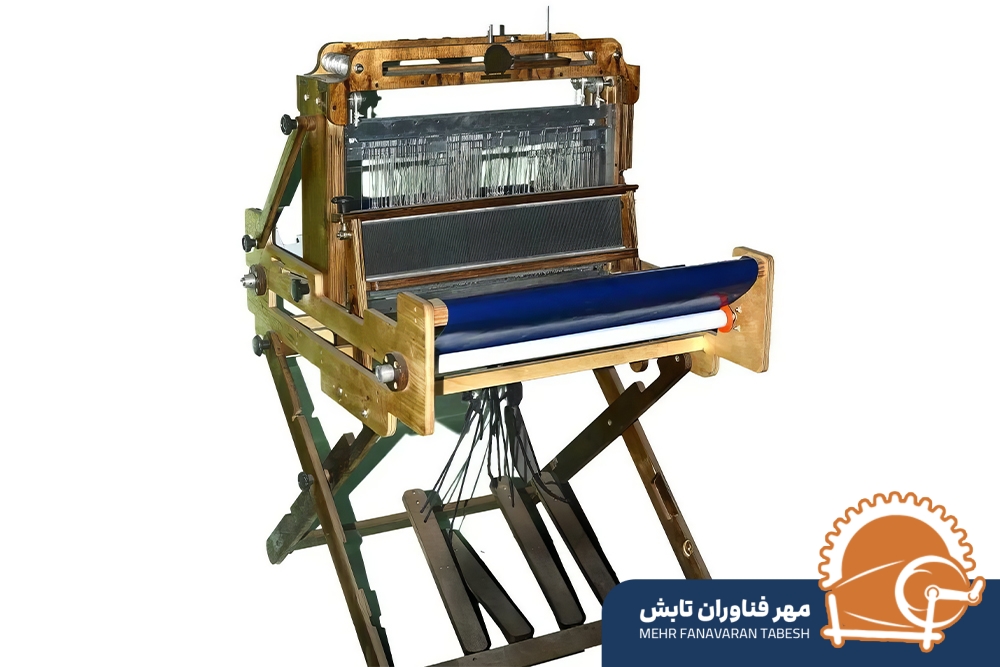
Weaving or Knitting: Finally, yarns can be used to create fabric through weaving or knitting processes.
Spinning plays a crucial role in the quality and durability of the resulting yarn. Yarns produced with precision and advanced technology not only appear superior but also perform better in practical applications. As a result, the spinning industry continually seeks improved methods and machines to enhance yarn quality.
Digital Spinning Wheel – Bita Volumetric Series
The Bita Digital Spinning Wheel typically refers to a specialized spinning wheel that incorporates advanced technology to produce high-quality yarn. These spinning wheels are often designed for the precise production of handspun or industrial yarns and are widely used in textile manufacturing and fabric production.
Common Features of the Bita Volumetric Spinning Wheel:
-
Precise Yarn Thickness Adjustment: One of the key features of this spinning wheel is its ability to accurately control yarn thickness. Using a volume control system (volumetric adjustment), users can easily produce yarns in various diameters.
-
Smooth and Vibration-Free Operation: These spinning wheels are designed to minimize vibration, ensuring smooth and consistent operation. This contributes significantly to producing high-quality yarn.
-
High Speed and Efficiency: The Bita spinning wheels often offer high operational speeds, allowing for large volumes of yarn to be produced in a shorter time.
-
Adjustable Tension and Pressure: The ability to fine-tune yarn tension and pressure ensures greater precision and reduces irregularities in the final product.
-
Modern and Ergonomic Design: Many of these spinning wheels feature ergonomic and contemporary designs that ensure user comfort during extended use.
-
Versatile Industrial Use: These wheels can be used across a range of industries, including textile manufacturing, fabric production, and artistic crafts such as handspun yarn and embroidery.

Reviews
There are no reviews yet.